
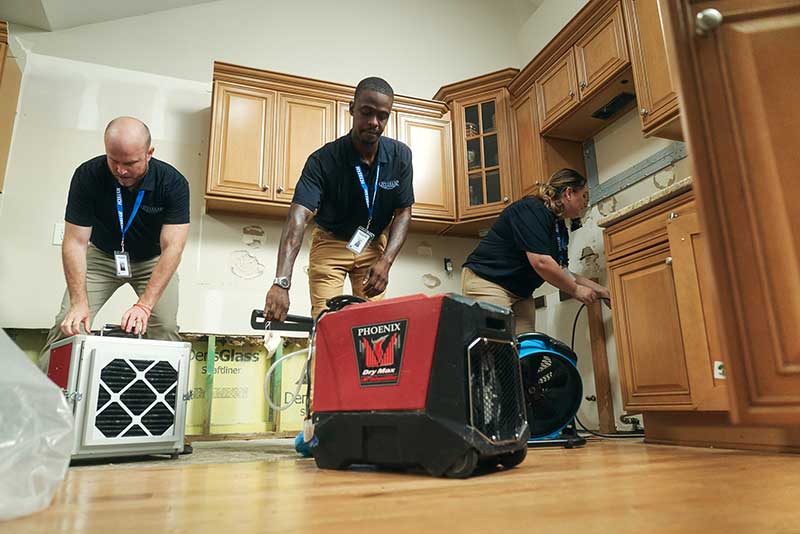
Water damage rarely happens at a convenient time. A pipe can burst overnight during a winter cold snap. A washing machine supply line can fail while you're at work. Heavy Georgia storms can overwhelm drainage systems, allowing water to enter homes and commercial buildings in minutes. No matter how it starts, water continues moving through building materials until it is removed and the structure is properly dried.
For property owners throughout Kennesaw, Acworth, Canton, Cartersville, Holly Springs, Emerson, and surrounding Cobb, Cherokee, and Bartow counties, knowing what happens during emergency water damage restoration helps reduce uncertainty during an already stressful situation. Understanding the restoration process also makes it easier to make informed decisions that help protect both your property and your investment.
At Rytech Restoration of NW Atlanta, we believe that educated property owners achieve better outcomes. Our IICRC-certified teams follow the ANSI/IICRC S500 Standard for Professional Water Damage Restoration, using drying science, advanced moisture detection technology, and detailed documentation to develop restoration plans based on the unique conditions inside each property. Every water loss is different, which is why every mitigation strategy begins with a thorough inspection rather than assumptions.
Whether you're a homeowner in Kennesaw, a property manager overseeing multiple buildings in Cobb County, a commercial property owner in Canton, or an insurance professional assisting policyholders throughout Northwest Georgia, this guide explains what happens during emergency water damage restoration in Kennesaw and why acting quickly produces better results.
Understanding Water Damage in Kennesaw and Northwest Atlanta
Water damage occurs whenever unwanted water enters a building and begins affecting structural materials, contents, or indoor environmental conditions. While some losses appear dramatic, such as several inches of standing water after a burst pipe, others develop slowly behind walls, beneath flooring, or above ceilings where moisture remains hidden for days or even weeks.
Throughout Kennesaw and neighboring communities, restoration professionals commonly respond to water losses caused by frozen pipes during unexpected winter freezes, leaking water heaters, appliance failures, overflowing sinks and toilets, HVAC condensation issues, roof leaks after severe thunderstorms, and flooding associated with heavy rainfall. Commercial buildings may also experience sprinkler system failures or plumbing problems that affect multiple offices, retail spaces, or tenant suites simultaneously.
Every building reacts differently to water intrusion. Hardwood flooring can begin to cup as it absorbs moisture. Drywall softens and loses structural integrity. Ceiling materials may sag as water accumulates above them. Carpet and padding trap moisture deep below the visible surface. Hidden framing members continue absorbing water long after standing water disappears.
Commercial facilities face additional challenges because downtime directly affects operations, employees, customers, and tenants. Restaurants, healthcare facilities, schools, manufacturing facilities, and office buildings each require restoration strategies that minimize disruption while protecting occupant safety.
Understanding how moisture behaves inside buildings helps explain why emergency mitigation focuses on both visible water and moisture that cannot be seen without specialized equipment.
Common Causes of Emergency Water Damage Throughout Cobb County
Some water losses happen instantly while others develop gradually over weeks or months before becoming noticeable. Recognizing the source helps restoration professionals develop the most effective drying strategy while reducing the likelihood of recurring problems.
Sudden water losses often create the greatest emergencies because they release large volumes of water in a short period. Burst supply lines, broken water heaters, overflowing washing machines, failed dishwasher hoses, and plumbing leaks can saturate flooring, walls, cabinetry, insulation, and structural framing within minutes.
Northwest Georgia's weather also creates restoration challenges. Severe thunderstorms frequently produce intense rainfall that overwhelms drainage systems or exposes roofing weaknesses. Flash flooding may affect lower-level rooms, crawlspaces, garages, and commercial properties located in low-lying areas throughout Cobb and Cherokee counties.
Not every emergency begins with weather or plumbing. Fire suppression activities often introduce significant amounts of water into structures while extinguishing fires. Even when the fire itself remains contained to one area, water can travel throughout multiple rooms and floors before cleanup begins.
Gradual moisture problems deserve equal attention. Small plumbing leaks behind walls, roof leaks that continue through multiple rain events, deteriorating caulking around windows, or foundation moisture intrusion may remain unnoticed until staining, odors, or visible damage appear. By that point, building materials may already contain elevated moisture levels that require professional drying.
Identifying and correcting the original source remains one of the first priorities during emergency mitigation. Addressing only the visible damage while leaving the underlying cause unresolved often results in recurring moisture problems.
Signs That Your Property Needs Immediate Attention
Water damage isn't always obvious. While standing water clearly signals an emergency, many property owners first notice subtle changes that indicate moisture has already spread throughout the building.
Warping hardwood floors, loose laminate flooring, bubbling paint, stained ceilings, peeling wallpaper, or drywall that feels soft when gently pressed often suggest moisture has entered building materials. Doors and cabinets that suddenly become difficult to close may also indicate swelling caused by excess moisture.
Some homeowners first discover water damage after receiving an unusually high water bill. A hidden plumbing leak can release hundreds of gallons before becoming visible inside the home. Investigating unexpected increases in water usage may help identify problems before more extensive damage develops.
Musty odors frequently indicate prolonged moisture exposure. These odors develop because damp environments create favorable conditions for microbial growth. According to the ANSI/IICRC S500 and S520 standards, mold growth may begin developing within 24 to 48 hours under favorable conditions when moisture remains unaddressed. Early moisture detection significantly reduces the likelihood that microbial contamination will expand throughout affected areas.
Commercial property managers often notice ceiling stains, flooring discoloration, damp carpeting, or unexplained humidity before occupants report visible water. Regular inspections help identify these conditions early, reducing disruption to tenants and daily operations.
Whenever unexpected moisture appears inside a building, prompt inspection provides valuable information about the extent of affected materials before conditions worsen.
Understanding Water Damage Categories and Classes
Not all water damage presents the same level of health risk or requires identical restoration procedures. The ANSI/IICRC S500 Standard classifies water losses according to both contamination level and the extent of moisture absorption within the structure.
Water categories describe contamination.
Category 1 originates from a sanitary source and initially poses minimal health risk. Examples include broken supply lines, overflowing sinks supplied with clean water, or appliance leaks.
Category 2, often called gray water, contains a higher level of contaminants that may cause discomfort or illness through exposure. Dishwasher discharge, washing machine overflow, and certain plumbing failures commonly fall into this category.
Category 3, frequently referred to as black water, contains gross contamination from sewage, floodwaters, or other sources capable of introducing harmful biological or chemical contaminants. These situations require additional safety precautions, containment, and specialized cleaning procedures.
Water damage classes describe how much water has been absorbed by affected materials.
Class 1 losses involve minimal absorption and generally affect a limited area. Drying progresses relatively quickly because fewer materials retain moisture.
Class 2 losses involve larger areas where water has wicked into walls, carpets, and structural materials.
Class 3 losses represent extensive saturation where ceilings, walls, insulation, flooring, and contents may all contain elevated moisture.
Class 4 losses involve deeply saturated specialty materials such as hardwood, plaster, brick, concrete, or crawlspaces that require longer drying times and specialized drying techniques.
Proper classification helps restoration professionals determine equipment requirements, drying goals, monitoring frequency, and documentation needed throughout the project.
"Homes and commercial buildings across Cobb County are constructed with many different materials, from traditional wood framing to modern engineered products. Every material responds differently when exposed to water, which is why every project starts with careful inspection, moisture mapping, and a drying plan built specifically for that property. Experience helps us understand how local construction methods and Georgia's humidity affect the drying process."
Ralph Falavinha, Owner, Rytech Restoration of NW Atlanta
Why Immediate Response Makes a Difference
Time influences nearly every aspect of water damage restoration. Water does not remain where it first appears. Through capillary action and gravity, moisture migrates into drywall, framing, insulation, flooring systems, cabinetry, and hidden structural cavities long after the initial leak occurs.
Quick response limits how far moisture spreads throughout the building. Earlier water extraction reduces the amount of water absorbed by porous materials, increasing opportunities to restore materials rather than removing them. Controlled drying also reduces dimensional changes such as hardwood cupping, drywall deterioration, and finish damage.
Prompt mitigation also reduces secondary issues associated with prolonged moisture exposure. Hidden damp materials can support mold growth under favorable environmental conditions within 24 to 48 hours. Beginning scientific drying early lowers moisture content before those conditions become established.
For commercial properties, fast stabilization helps shorten business interruption. Schools, healthcare facilities, offices, retail stores, hospitality properties, and industrial facilities all benefit when moisture detection, extraction, and drying begin quickly, allowing normal operations to resume sooner.
Documentation also begins immediately. Moisture readings, photographs, equipment logs, drying records, and daily monitoring create a clear record of changing conditions throughout the restoration process. This documentation helps property owners better understand project progress while supporting communication throughout the insurance claims process when applicable.
Water damage recovery becomes much more manageable when action begins early. The combination of rapid response, accurate moisture detection, science-based drying, and ongoing monitoring provides the best opportunity to reduce damage, preserve building materials whenever practical, and support a smoother recovery for homeowners, businesses, property managers, and insurance professionals throughout Kennesaw and Northwest Georgia.
The Emergency Water Damage Restoration Process
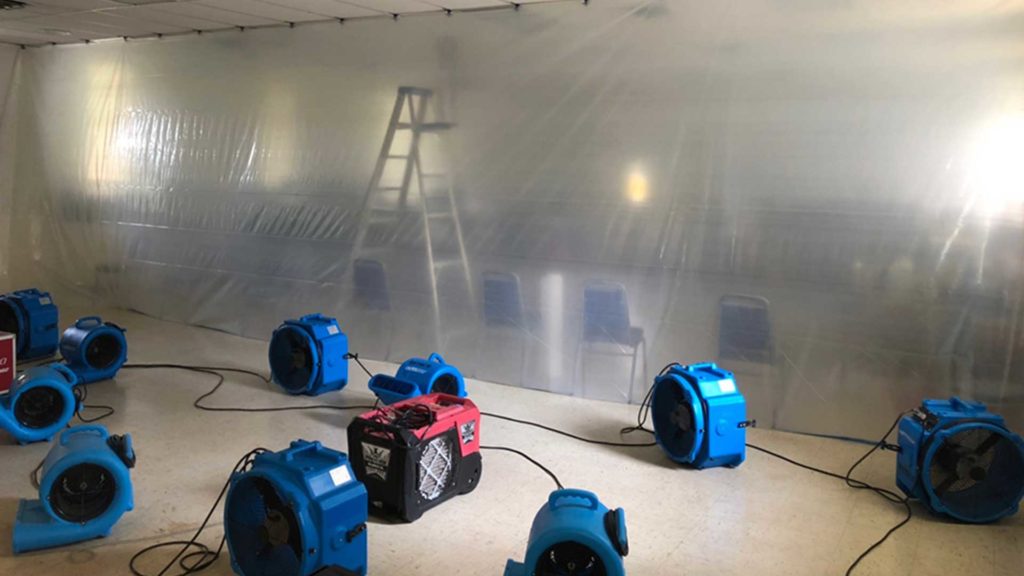
Once the source of water has been addressed and the property is safe to enter, the restoration process begins with a comprehensive inspection. Every emergency water loss is different, so IICRC-certified restoration professionals first determine the category of water, the class of loss, affected building materials, and how far moisture has traveled beyond visible damage. Advanced moisture meters, thermal imaging cameras, hygrometers, and other diagnostic equipment help identify hidden moisture that cannot be seen with the naked eye.
After the inspection, technicians develop a drying strategy tailored to the property's unique conditions. Water extraction is often the first active step because removing standing water quickly slows additional absorption into flooring, drywall, cabinetry, insulation, and structural framing. Industrial extraction equipment removes significantly more water than household wet vacuums, allowing the drying phase to begin sooner.
Drying and dehumidification follow immediately after extraction. Air movers increase airflow across wet surfaces while commercial dehumidifiers remove moisture from the indoor air. Together, these systems create controlled drying conditions that encourage moisture to leave building materials safely and efficiently. Throughout the process, technicians continually monitor temperature, humidity, and moisture content to verify that drying goals are being achieved according to ANSI/IICRC S500 procedures rather than relying on estimated timelines.
Once materials have reached acceptable moisture levels, cleaning procedures address residues left behind by the water intrusion. Depending on the source of the water, this may include cleaning affected structural materials, contents, and surfaces using appropriate products and techniques. When demolition becomes necessary because certain materials are no longer restorable, only materials that cannot be successfully dried or restored are removed. This approach helps preserve as much of the original structure as possible while preparing the property for the next phase of recovery.
Documentation remains an important part of every stage. Moisture readings, photographs, equipment logs, drying charts, and inspection reports create a detailed record that helps property owners understand project progress while also supporting communication during the insurance claims process when applicable.
Professional Water Extraction and Drying Techniques
Many property owners assume that once standing water has been removed, the building is dry. In reality, visible water often represents only a portion of the total moisture present. Water quickly migrates beneath flooring, behind baseboards, inside wall cavities, beneath cabinets, and into structural framing where it continues affecting building materials long after surfaces appear dry.
Professional water extraction focuses on removing as much liquid water as possible before evaporation begins. Truck-mounted extraction systems, portable extraction units, weighted extraction tools for carpet, and specialty equipment for hardwood flooring help remove moisture more efficiently than consumer-grade equipment. Removing water at this stage shortens overall drying time while helping preserve affected materials.
After extraction, technicians establish controlled drying chambers using strategic placement of air movers and dehumidifiers. Rather than simply placing fans throughout a room, equipment is positioned according to airflow calculations, moisture mapping, building configuration, and psychrometric principles. This scientific approach maximizes evaporation while controlling humidity so moisture leaves structural materials instead of remaining trapped within the building.
Daily monitoring separates professional drying from simple equipment rental. Moisture readings collected throughout the project allow technicians to adjust equipment placement, add specialized drying systems when necessary, and verify measurable drying progress. Hardwood flooring, crawlspaces, wall cavities, subfloors, and dense building materials often require customized drying strategies that differ from standard room drying procedures.
Throughout Kennesaw, Acworth, Canton, and neighboring Northwest Georgia communities, changing outdoor humidity levels can also influence drying conditions inside buildings. Experienced restoration professionals continually evaluate indoor environmental conditions to maintain the most effective drying environment throughout the project.
Equipment Used During Professional Water Damage Restoration
Modern water damage restoration relies on specialized equipment designed to locate, remove, and monitor moisture that would otherwise remain hidden inside a structure. Each piece of equipment serves a specific purpose within the drying process.
Moisture meters provide numerical readings that identify elevated moisture within drywall, wood framing, flooring systems, and other building materials. Thermal imaging cameras detect temperature differences that often indicate hidden moisture behind finished surfaces, allowing technicians to investigate areas that appear completely dry.
Commercial air movers circulate high volumes of air across wet materials, increasing evaporation rates. Refrigerant and desiccant dehumidifiers then remove that moisture from the air, preventing humidity from slowing the drying process. Air scrubbers equipped with HEPA filtration may also be used when projects involve microbial contamination, demolition activities, or situations where improved air filtration supports a cleaner work environment.
Specialized drying equipment, including floor drying systems, wall cavity drying equipment, injectidry systems, and negative air machines, may be incorporated depending on the building's construction and the extent of water migration. Using the right equipment at the right time helps reduce unnecessary demolition while supporting efficient structural drying.
Technology also improves project documentation. Digital moisture mapping, electronic monitoring, photographic documentation, and daily progress reports provide measurable evidence that drying goals continue moving toward completion. Rather than relying solely on visual appearance, restoration decisions are based on objective moisture data collected throughout the project.
Mold Prevention and Moisture Management
One of the biggest concerns following water damage is the potential for mold growth. Mold spores naturally exist in indoor and outdoor environments. When excess moisture remains inside building materials, those spores may begin colonizing suitable surfaces under favorable conditions. According to industry standards, mold growth may begin developing within approximately 24 to 48 hours if moisture is not properly addressed.
The most effective way to reduce this risk is through prompt moisture removal and controlled structural drying. By identifying hidden moisture early and monitoring drying progress carefully, restoration professionals reduce the conditions that allow mold colonies to develop and spread.
If microbial growth is already present, additional procedures become necessary. Professional mold remediation focuses on containment, controlled removal of mold-affected materials when required, cleaning appropriate structural surfaces, and reducing airborne mold spores within the work area. Containment systems help prevent cross-contamination while specialized HEPA filtration captures airborne particles generated during remediation activities.
Property owners sometimes attempt to clean visible mold themselves using household cleaners or bleach. While these products may remove surface discoloration in some situations, they do not address underlying moisture sources or contamination hidden behind walls, beneath flooring, or inside ceiling cavities. Successful remediation begins with correcting the moisture problem first, followed by appropriate containment and removal procedures performed according to recognized industry standards.
Because Northwest Georgia experiences periods of elevated humidity throughout much of the year, maintaining proper indoor humidity after restoration also supports long-term moisture control. Routine HVAC maintenance, prompt leak repairs, proper ventilation, and regular inspections help reduce the likelihood of future moisture-related issues.
Health and Safety Considerations During Emergency Water Damage
Water damage introduces more than structural concerns. Safety always remains the first priority before cleanup begins. Standing water may conceal electrical hazards, unstable flooring, sharp debris, or contaminated materials that increase risk for occupants.
Properties affected by Category 2 or Category 3 water require additional precautions because the water may contain biological contaminants, sewage, chemicals, or other harmful substances. These situations require appropriate personal protective equipment, controlled work practices, and containment procedures that help limit exposure while restoration progresses.
Structural conditions should also be evaluated carefully. Saturated drywall ceilings, weakened flooring systems, water-damaged stairways, and compromised framing may create hazards that are not immediately visible. Restoration professionals inspect these conditions before beginning mitigation activities to determine safe work practices.
Commercial properties often require additional planning to maintain safe access for employees, customers, tenants, and visitors while restoration continues. Temporary barriers, containment systems, directional signage, and controlled work schedules help reduce disruption while protecting building occupants.
Property owners should also avoid using household electrical appliances in wet areas, operating standard vacuums to remove standing water, or entering contaminated floodwater without appropriate protection. Early professional assessment helps identify hazards that may otherwise go unnoticed.
Navigating Insurance Claims and Documentation

For many homeowners and business owners, filing an insurance claim after water damage is unfamiliar territory. While every policy differs, thorough documentation from the beginning of the project helps create a clear record of the loss and the restoration process.
Photographs of affected areas, moisture readings, inspection reports, equipment logs, drying documentation, and inventories of damaged contents all contribute to a well-documented project. These records help demonstrate the condition of the property throughout mitigation and provide valuable information during claim discussions.
Insurance adjusters, carriers, restoration professionals, and property owners all benefit from clear communication. Daily documentation allows everyone involved to understand the extent of the damage, drying progress, and changes observed throughout the project. Rather than creating uncertainty, accurate documentation helps keep everyone working from the same information.
Commercial properties often require additional documentation because multiple tenant spaces, business interruption considerations, inventory losses, or specialized equipment may be involved. Organized reporting supports more efficient communication among property managers, business owners, insurance representatives, and other project stakeholders.
For many property owners throughout Kennesaw, Acworth, Canton, Cartersville, and the surrounding Northwest Atlanta area, having knowledgeable professionals document the restoration process provides greater confidence during a stressful situation. A thorough record of moisture conditions, drying progress, and project activities helps everyone understand each step as the property moves toward recovery.
FAQs: Answering Your Pressing Water Damage Restoration Questions
At Rytech Restoration of Northwest Atlanta, we know how overwhelming water damage can be. That’s why we’ve built a helpful FAQ section to guide you through what to expect during the mitigation process. From understanding each step to knowing how communication and cleanup are handled, our goal is to provide clear, straightforward answers, so you feel informed, supported, and confident every step of the way.


